Hendersonville, NC · Garage Door Service
Most Hendersonville homes date 1959-2001. Here's how that age, plus our cold-climate winters, decides whether your door is worth repairing or replacing.
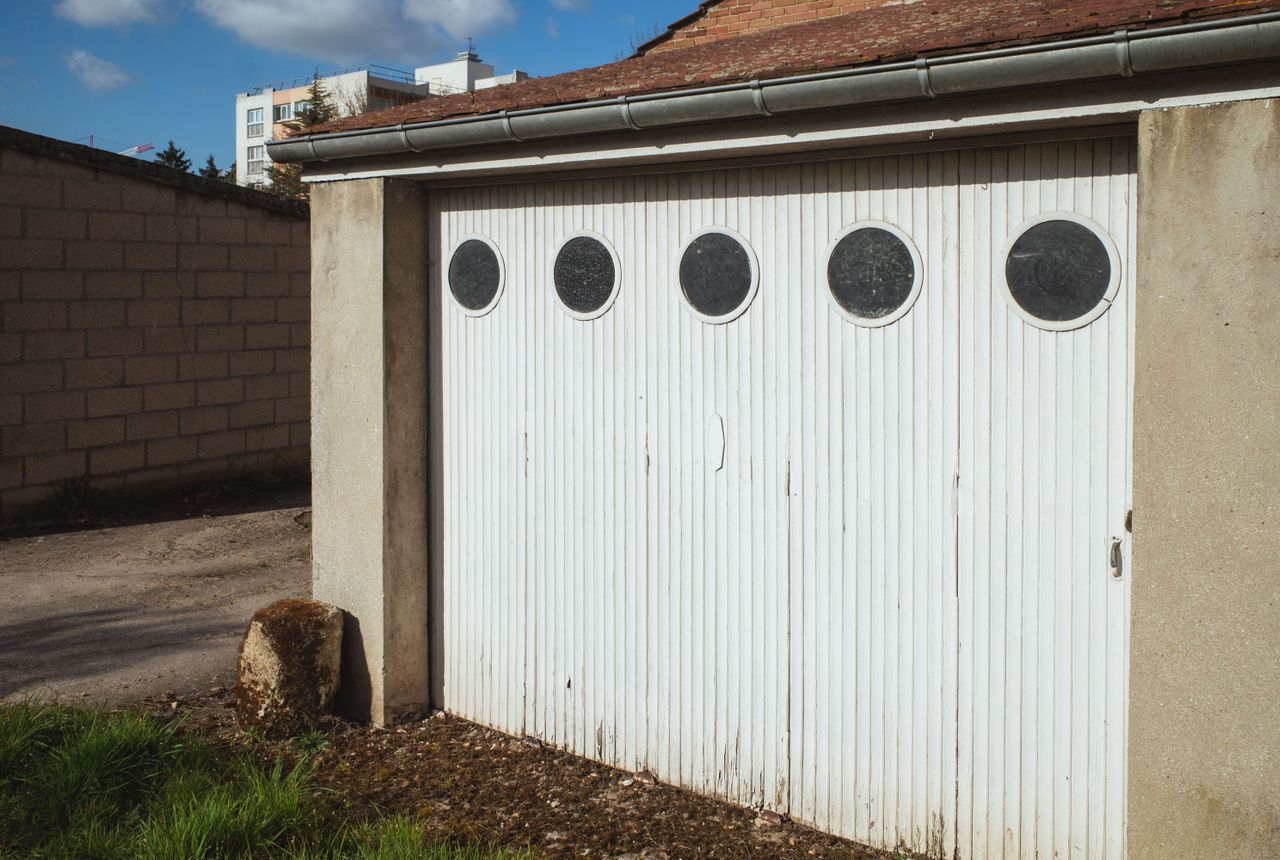
Hendersonville sits in a cold-severe climate band, and that matters more for a garage door than most owners realize. The freeze-thaw cycle we get through winter works on steel panels, weatherstripping, and especially the torsion spring's temper. A spring rated for a certain cycle count doesn't care what season it is, but cold makes the steel more brittle right when it's under the most load - a door that's been fine all fall can snap a spring on the first hard freeze night. If your door is original to a house built in the median range for this area, 1982, it's already had four decades of that cycle working on it. That's not a scare line, it's just what the metal has been through. When we get a call in January about a door that 'suddenly' won't open, nine times out of ten it's a spring that was already fatigued and the cold just finished the job. Worth knowing before you decide a repair is a one-time fix versus the start of a pattern.
Housing across this service area mostly went up in the 1980s and 90s, with the broader range running 1959 to 2001. That means a lot of doors out there are original steel sectional units on hardware that predates the rollers, cables, and openers you'd find at a supply house today. Original torsion springs from that era were often wound to specs nobody stocks anymore, so a broken spring on a 1980s door sometimes means a full hardware swap rather than a like-for-like replacement. Cold-severe winters add a second layer: uninsulated steel panels from that period were never built with today's thermal breaks, so they sweat and corrode from the inside over the years, especially at the bottom panel where snowmelt and road salt sit against the steel. We see this pattern repeat across the older stock in Balfour, Laurel Park, Valley Hill, and Flat Rock - houses built in the same window, doors failing in the same places. It's not a coincidence, it's the age and the climate doing what they do to steel and hardware built decades ago.
Start with the springs, not the opener. On a door built in that 1959-2001 window, the torsion spring is the part most likely to be original, and it's the part cold weather stresses hardest. Look for gaps in the coil winding or rust flaking off the spring itself - that's fatigue, not just surface wear. Next, check the bottom panel for rust bubbling through the paint, especially if the house sits low or near a slope where water collects; older uninsulated steel doesn't handle sitting moisture well. Rollers on original hardware are usually steel, not nylon, and they'll sound like it - a grinding or popping noise on the way up is worn steel rollers in a worn track, not an opener problem. If the door is heavy to lift by hand with the opener disconnected, that's a spring that's lost tension, and it's doing real damage to the opener motor trying to compensate. None of this requires guessing. It's a five-minute walk around the door before you call anyone.
Here's the honest limitation: we can't always tell you a repair is worth it over the phone, and we won't pretend to. A door from the 1980s or 90s with original springs and rollers but a sound panel and frame is usually worth fixing - new springs, new rollers, maybe new cables, and it'll run another decade. A door with rusted-through panels or hardware that's been welded or jury-rigged by a previous repair is a different conversation, because at that point you're paying labor to keep patching something that's structurally tired. With median household income in this area around $72,989 and a housing stock this consistently aged, we see both situations often enough that we don't default to 'replace it' just because a door is old. Age alone isn't the deciding factor - what shape the panel and spring are actually in is. That's a call we make in person, at the door, not a rule we apply from the truck.
It might be. A lot of houses in this area were built between 1959 and 2001, with plenty right around 1982, and original doors from that era often still have their first torsion spring. Age alone doesn't mean replace it, but it does mean the spring is due for inspection, especially before winter.
Cold makes steel more brittle, and a spring that's already fatigued from years of cycling is more likely to fail right when the temperature drops. It's not the cold causing the problem by itself - it's cold finding a weak point that was already there.
Depends on what's actually wrong. If it's springs, cables, or rollers on a sound panel and frame, repair is usually the better value. If the panels are rusted through or the frame is bent, you're often better off replacing rather than paying to keep patching it.
Call now or request a free quote - same-day service on most repairs, upfront written pricing.