Hendersonville, NC · Garage Door Service
Garage door maintenance for Hendersonville, NC homes built 1959-2001, where cold winters wear torsion springs and rollers faster than warranty specs assume.
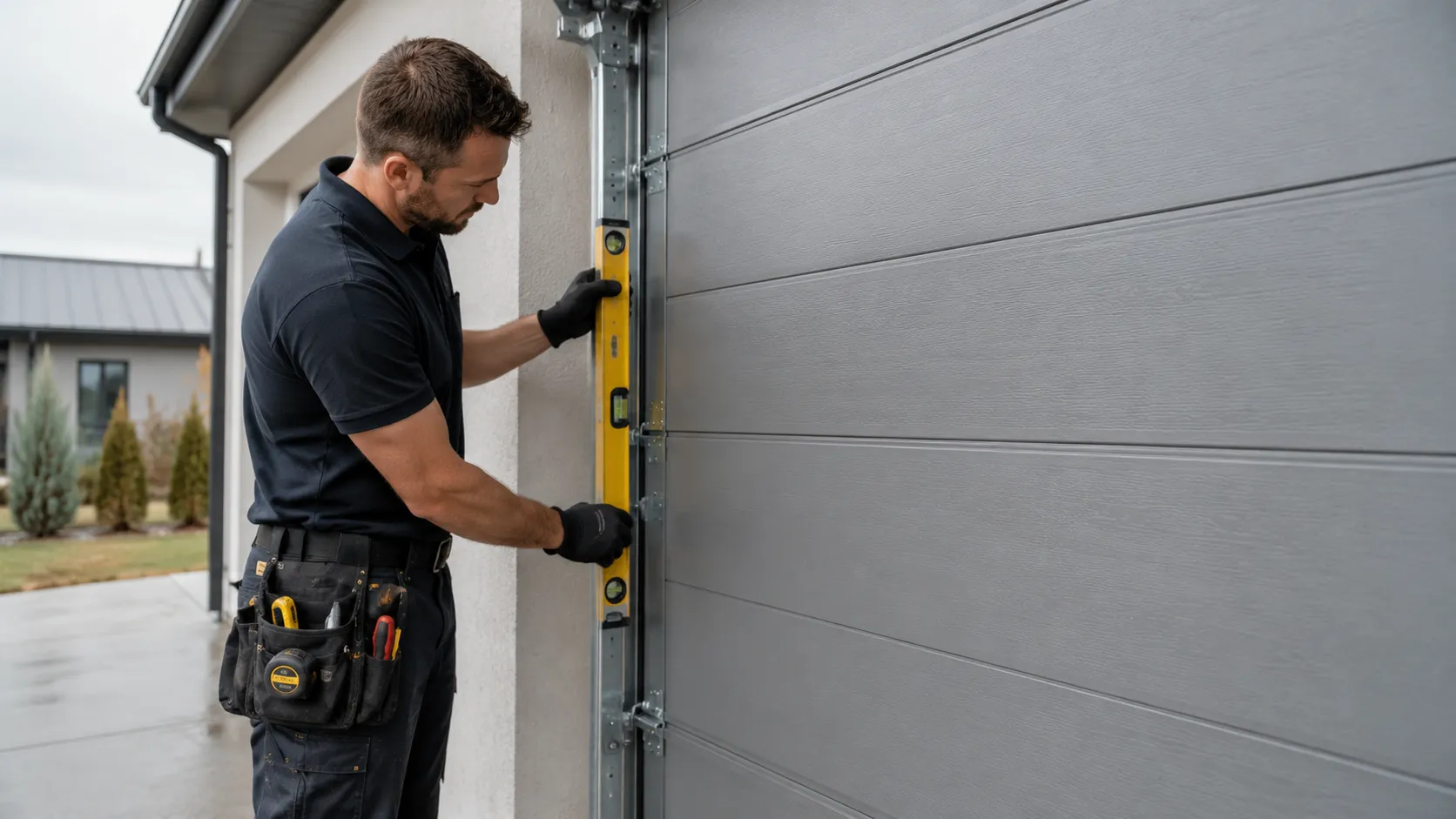
There's a fair amount you can handle yourself between visits from a tech. Wipe down the tracks and check them for dents or debris. Put a few drops of garage-door lubricant (not WD-40, which just washes grit deeper into the roller bearings) on the rollers and hinges twice a year. Look at the weatherstripping along the bottom panel for cracking or gaps letting in draft. Test the auto-reverse safety feature by setting a piece of wood on the floor under a closing door - it should stop and back off on contact. Tighten any loose bolts on the track brackets; vibration works them loose over years of daily openings.
What you should not do is touch the torsion spring. That spring is wound under several hundred pounds of tension, and loosening the wrong set screw has put people in the hospital. Same goes for the cables running from the bottom brackets - if one looks frayed or rusted, that's a call, not a project. A tune-up covers the balance test, hardware inspection, and spring tension check in one visit, which is the part homeowners can't safely do on their own no matter how many videos they've watched.
A maintenance visit doesn't take a technician long once they're on site, but the useful window for scheduling one is worth thinking about. Given the cold-severe climate this area sits in, the two stretches that matter most are right before the hard freeze months set in and again once the ground starts thawing. Metal contracts in the cold and expands as it warms, and a door that was balanced fine in October can bind or drag by February if nothing was checked in between.
Most of the time on a visit goes to things you can't rush: cycling the door several times to catch intermittent noise, checking spring tension against the door's actual weight rather than a factory guess, and inspecting cable wear point by point rather than glancing at it. Skipping steps to save ten minutes is how a spring that looked fine in the fall snaps in January. If a technician tells you a job needs to slow down because a cable or bracket looks marginal, that's not padding the visit - that's the part of the job that keeps you out of the emergency-call list.
Housing across this service area mostly went up between 1959 and 2001, with the bulk of it dating to the 1980s and 90s - the doors, openers, and torsion hardware from that build era are now thirty to forty years past new. That's not a coincidence you see repeated everywhere; it's specific to the wave of construction that filled in this stretch of western North Carolina during those decades. A lot of that original hardware is still in place because it still opens the door, even though the spring has lost tension it can't get back.
Layer the cold-severe climate band on top of that age and the failure pattern gets predictable. Steel torsion springs lose a measurable amount of lift with every hard freeze-thaw cycle, and a spring already forty years old has a lot fewer cycles left in it than one installed last year. Owners in houses built in that 1959-1982 median range are the ones most likely to hear a spring finally let go on a cold morning, because the hardware and the climate are working against each other at the same time, not because of anything they did wrong.
If your door feels heavier than it used to, especially on the first cold morning after a warm stretch, that's usually a spring losing tension rather than the opener motor weakening. Openers get blamed first because they're the part that makes noise, but a motor straining to lift a door the spring can no longer balance will wear out years before it should.
Uneven closing - one side dropping faster than the other, or the door racking slightly in the track - points to a spring or cable that's already partway gone rather than something that will smooth out on its own. Grinding or popping sounds during travel, particularly on colder mornings, often trace back to original rollers from a build era that used steel wheels instead of the nylon ones most doors carry now.
Across the roughly 21,469 owner-occupied houses in this service area, this pattern shows up most in the older side of the stock. If your door was quiet all summer and started complaining once the temperature dropped, that's the spring and the climate telling you the same thing at once.
Twice a year lines up well with the cold-severe climate here - once before the hard freeze months and once as things thaw. Doors on original 1980s-90s hardware benefit most from this, since the tension loss from repeated freeze-thaw cycles is what usually leads to a spring failure.
You can lubricate the coils lightly, but you should never adjust the tension or remove the winding cones yourself. The spring holds enough stored force to cause serious injury. Lubrication of rollers, hinges, and the track is fine for a homeowner; anything involving the spring's tension is not.
Working and safe aren't the same thing on hardware that old. A spring rated for a certain number of cycles doesn't announce when it's near the end - it just breaks. If your house falls in that 1959-2001 build range, a tension check now is cheaper than an emergency call later.
Squeaking on its own is usually just dry rollers or hinges - an easy fix. It's worse when the squeak comes with uneven movement, grinding, or a door that feels harder to lift than it did last season. That combination usually means a spring or cable issue underneath the noise.
By Neighborhood
We also handle maintenance in these Hendersonville-area suburbs.
Call now or request a free quote - same-day service on most repairs, upfront written pricing.